Country's Anti-Image: How Moldova Is Portrayed to the World
COUNTRY'S ANTI-IMAGE
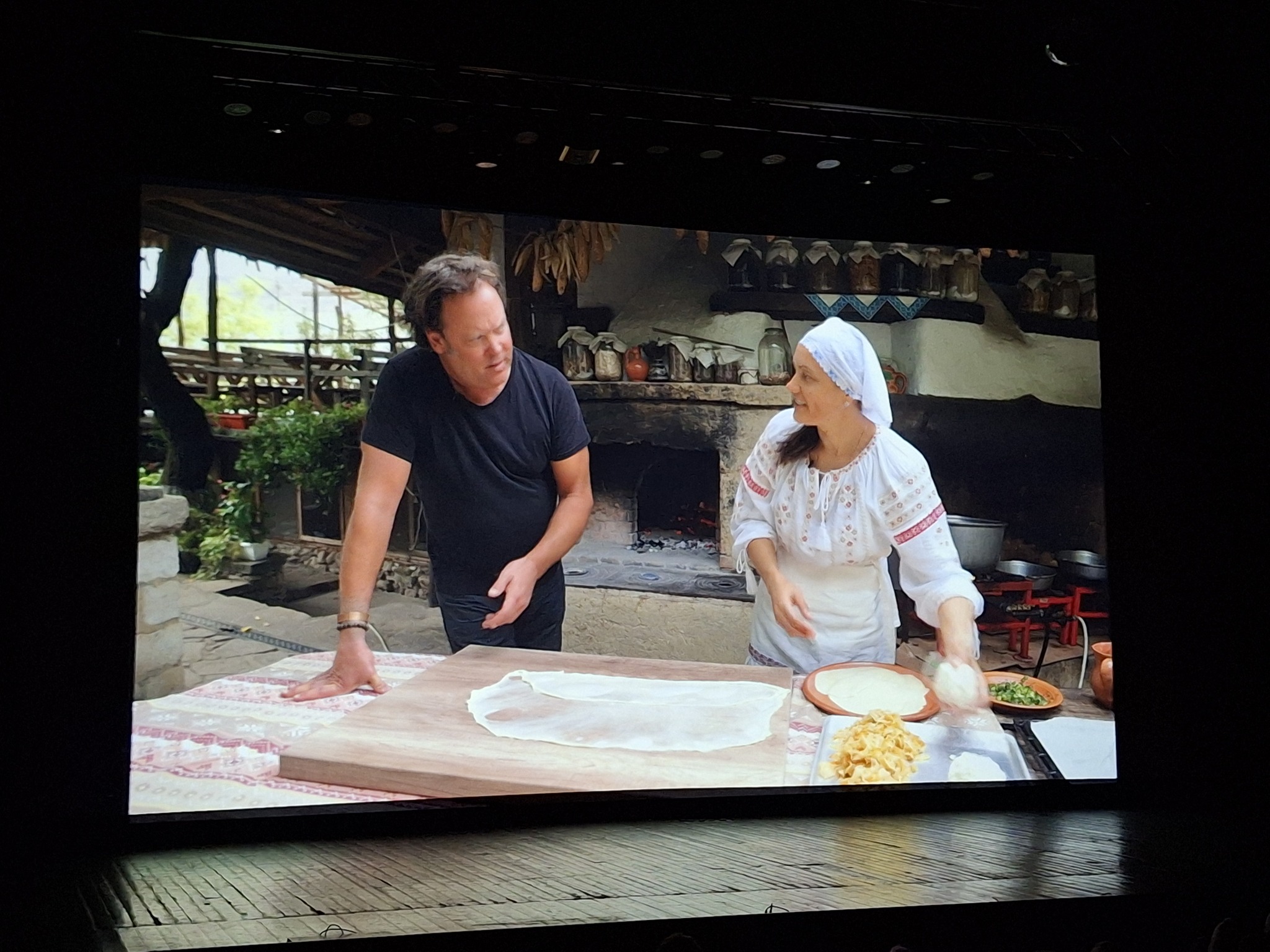
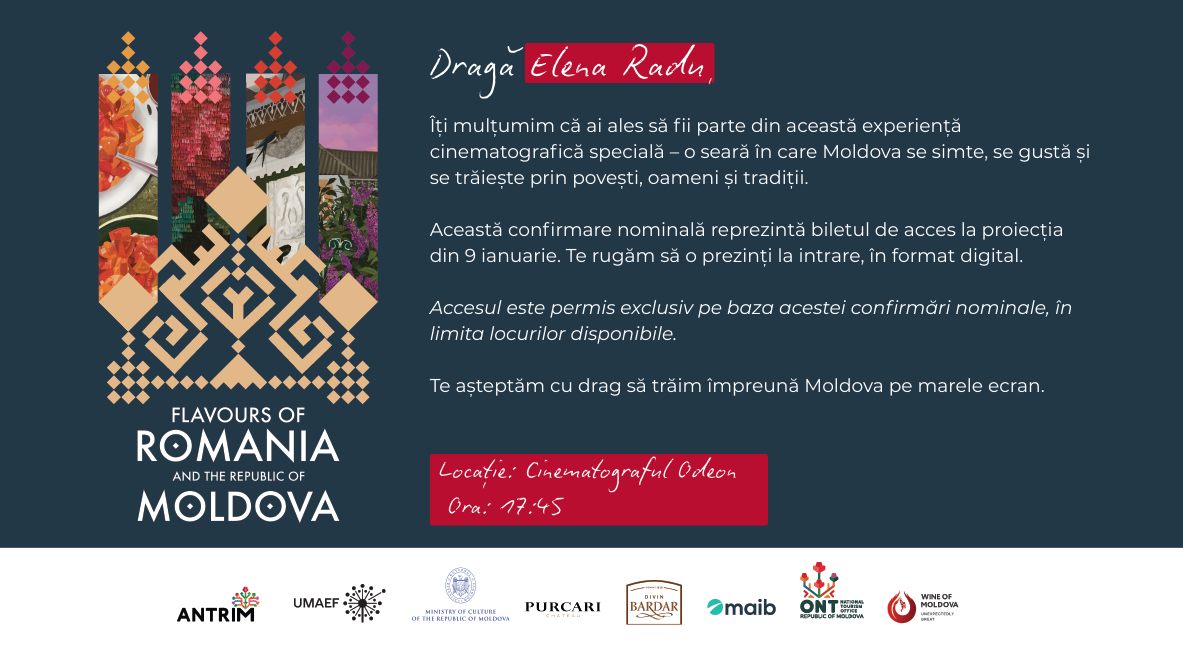
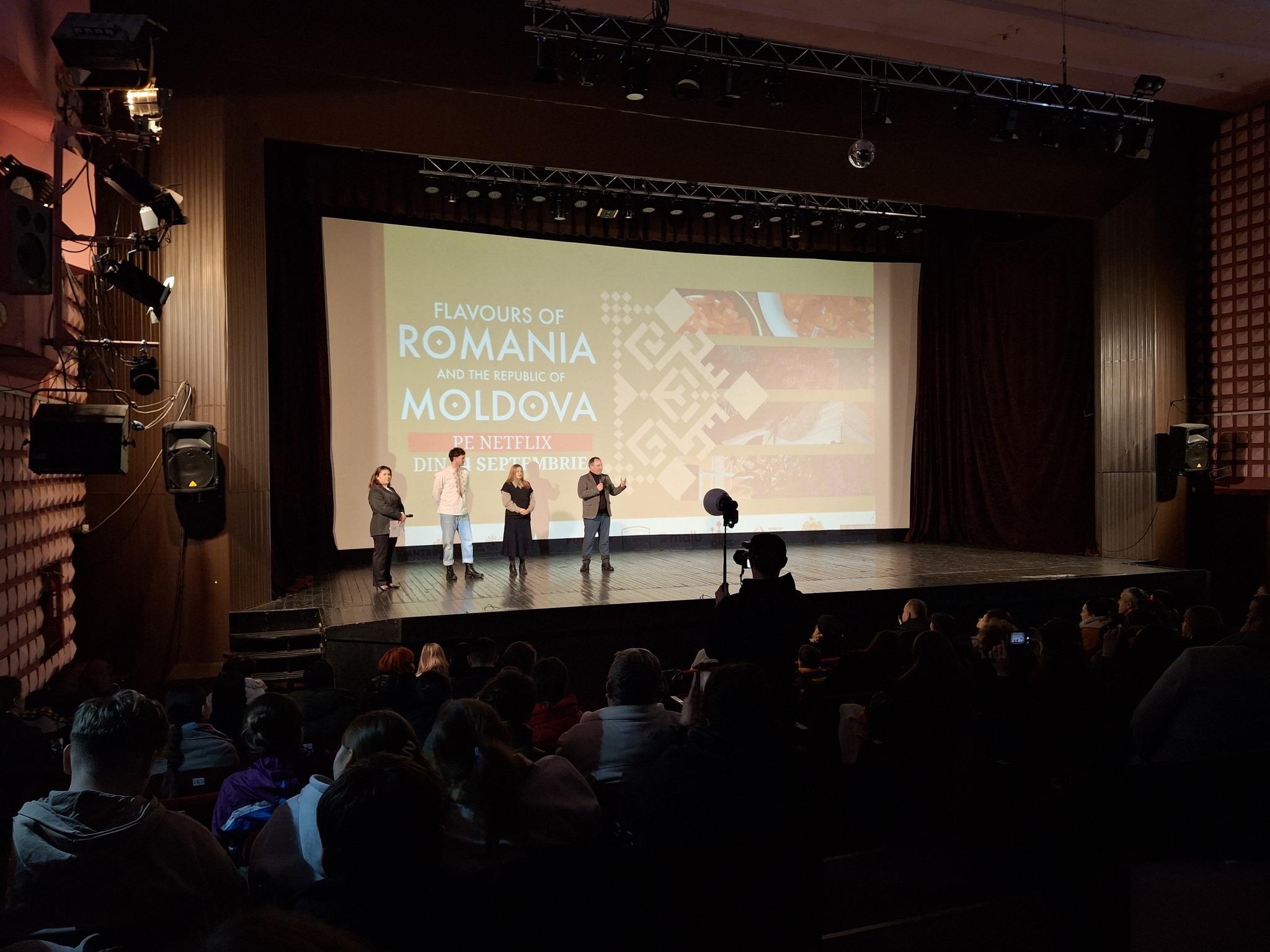
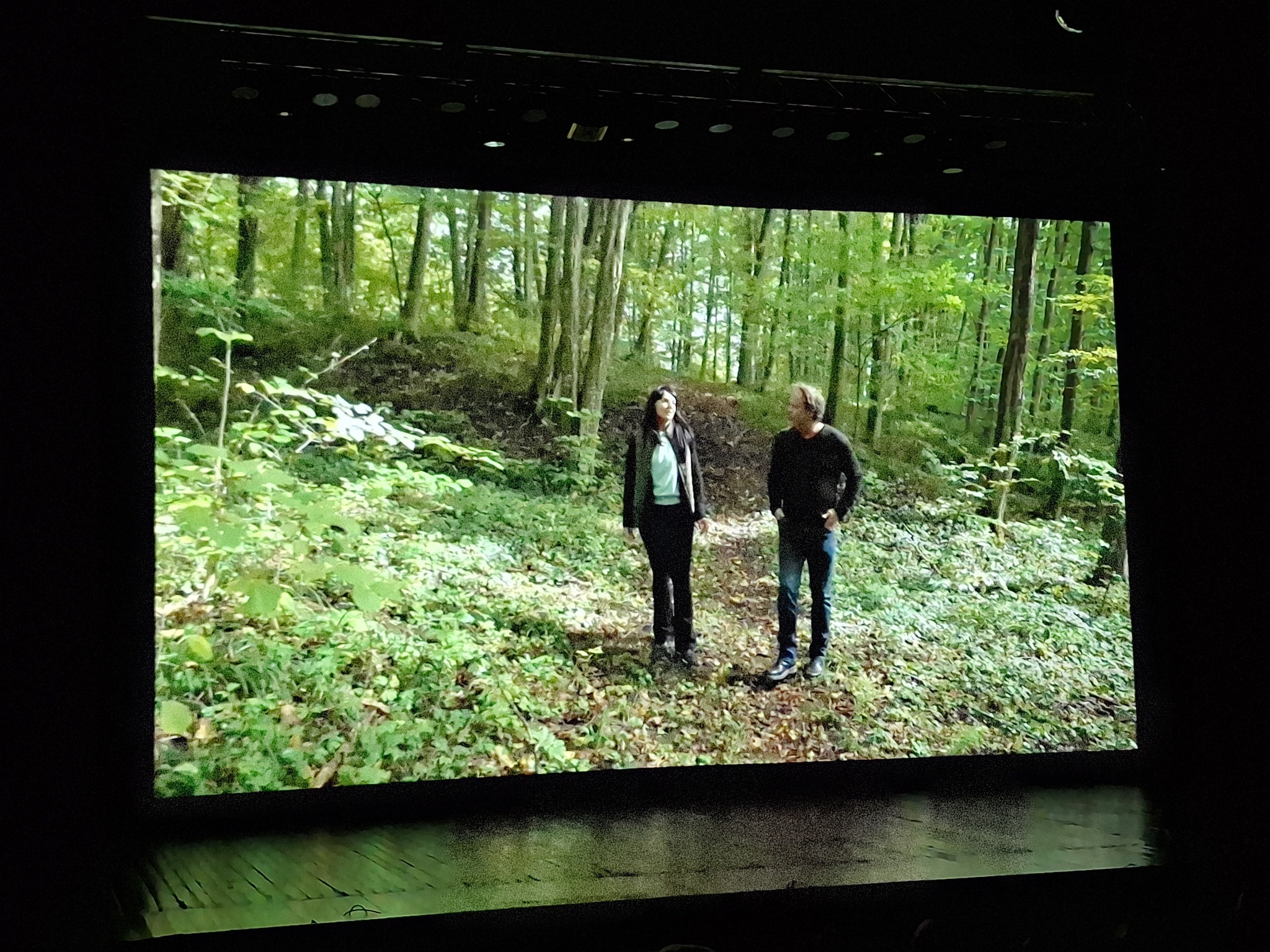
Since strategic branding implies tourism as an integral element of forming and promoting a country's perception both domestically and abroad, the other day I went to view, with my professional eye, the film about the Republic of Moldova made by our Tourism Agency under the Ministry of Culture of the Republic of Moldova. It was announced that they would show one episode of the documentary series "Aromas of Moldova," intended for distribution on the "Netflix" platform. That is, the ambition was serious, and this became an additional argument for me to go and see what was filmed.
However, the very first thing I heard before the screening began cast doubt on the entire organizational concept. A representative of the sponsoring bank said, "this film is not about Moldova. It's about smells, landscapes, tastes...". Which immediately raised a logical question - and where is all this located? On Mars? Or do you yourselves not understand what you are giving money for and what and why you are filming?..
It got more interesting from there: I saw a deeply provincial country - in its thinking, information, and presentation - and the impression wasn't saved even by the fact that some of those on the Moldovan side in the frame (the host and traveler through Moldova turned out to be a Briton named Charlie) spoke English. English erased the uniqueness of our region almost completely and emphasized its provinciality.
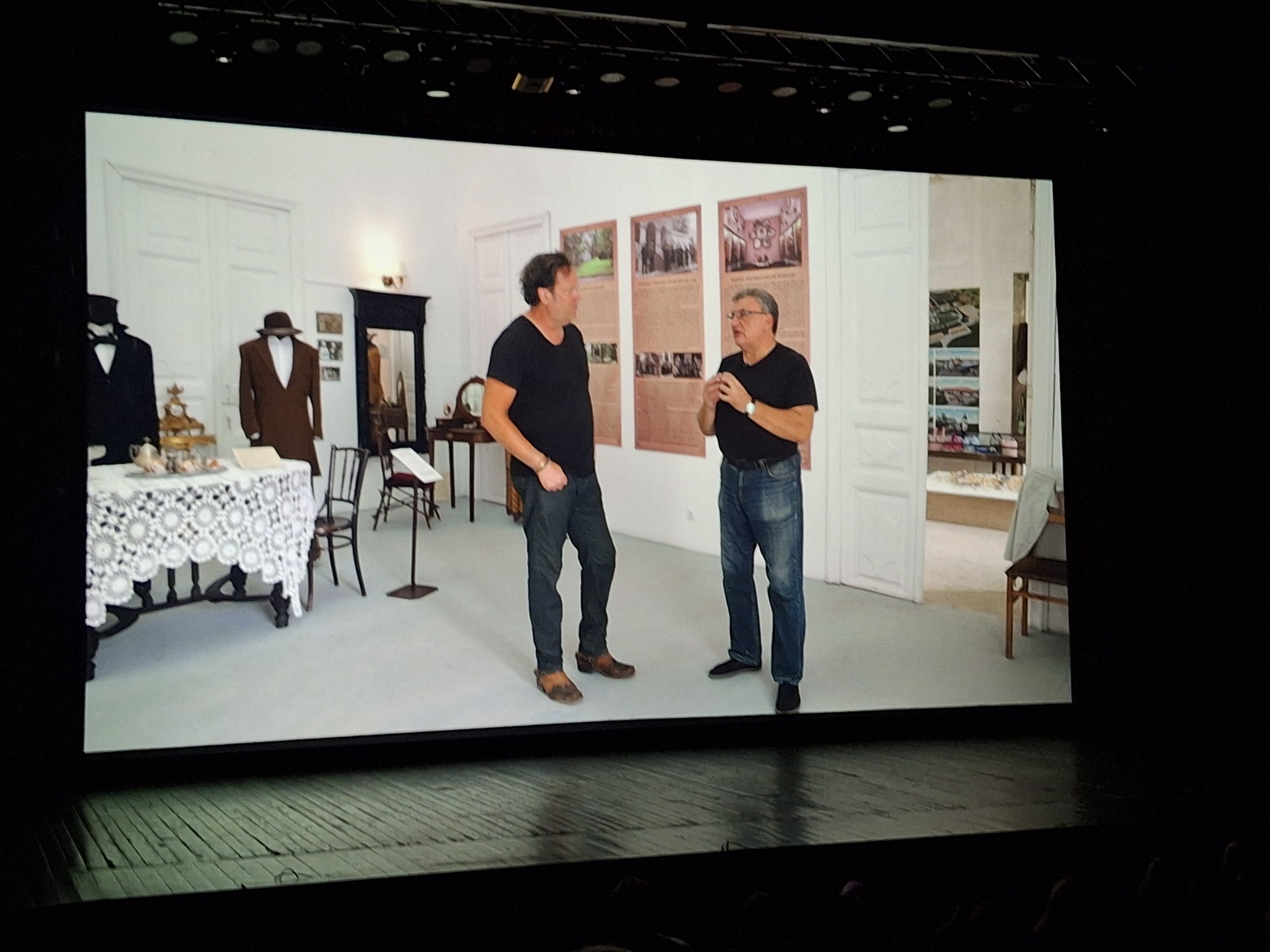
Especially surprising was the contrast in showing two palaces - the Manuk-bey Palace in Hîncești and the Mimi Castle in the village of Bulboaca, Nisporeni district. The first is an original architectural and historical monument, the second is a contemporary reproduction of an architectural ensemble, which today is part of a winery.
Charlie and his companion, a foreign photographer for whom Moldova was the 76th country (a telling number of our tourism priority in the world), quickly walked through the first one, without delving into the historical context (Manuk-bey was a prominent Moldovan statesman) and with mockery, after which they happily exclaimed that it was time to drink wine and headed to Mimi, where they lingered for three times the screen time.
I am not against foreigners drinking our wine - our country's wine is truly worthy, let them drink with pleasure. But why is our culture not respected?.. Or were they told about it unclearly?!
Charlie's reaction to Artcor, which was shown to him, saying it was the first and only creative hub in Chișinău and the Republic of Moldova, was very telling. And that it is the pride of our country.
Looking at the empty concrete walls and corten steel cladding (there are many such buildings in the West), greeting a few resident designers of the hub who happened to be in the frame and told him nothing substantive in any language, he sighed that he had seen the progressiveness of Chișinău, and now it was time for him to drink again.
Essentially, he just leveled the efforts to the baseboard.
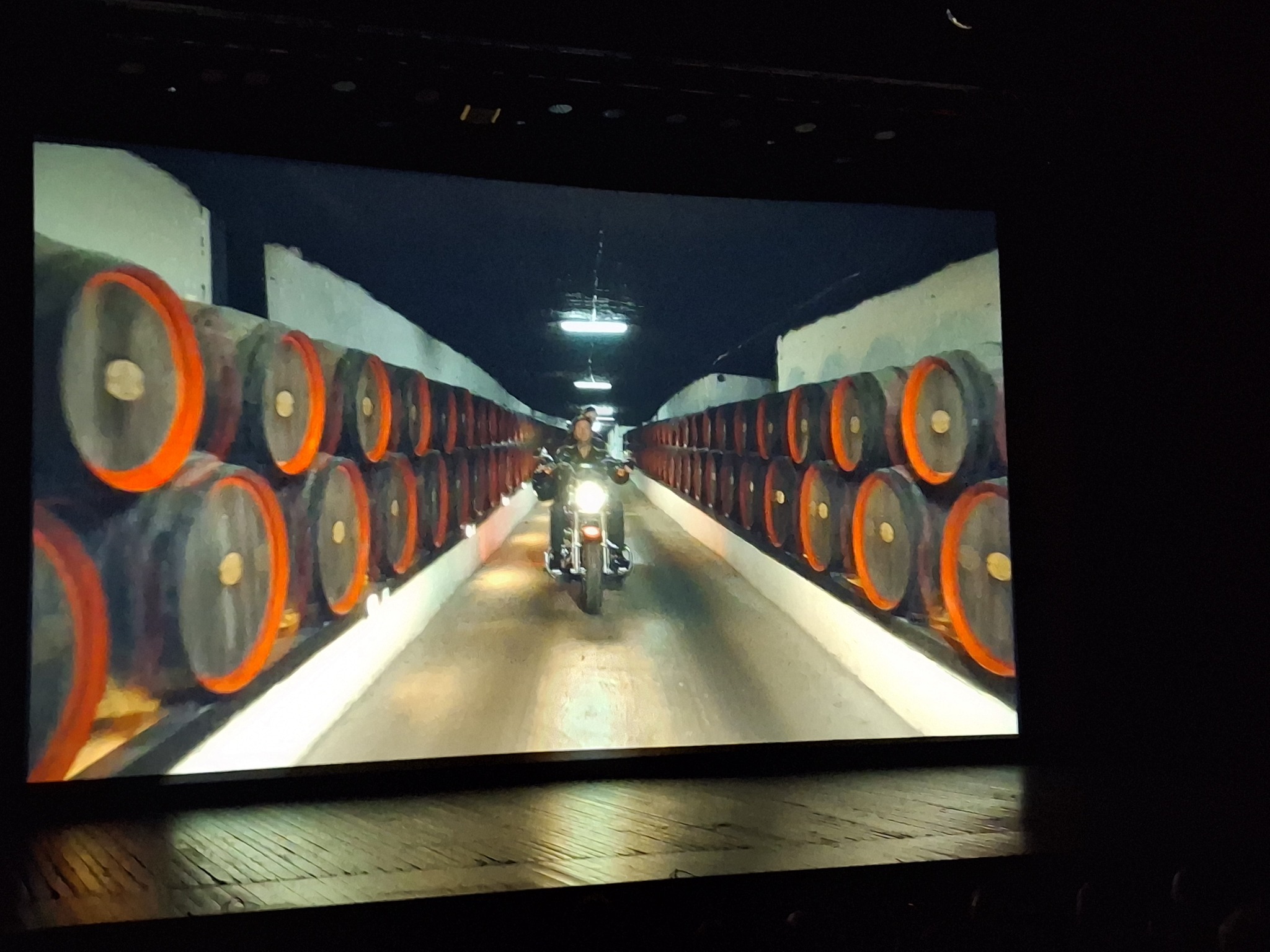
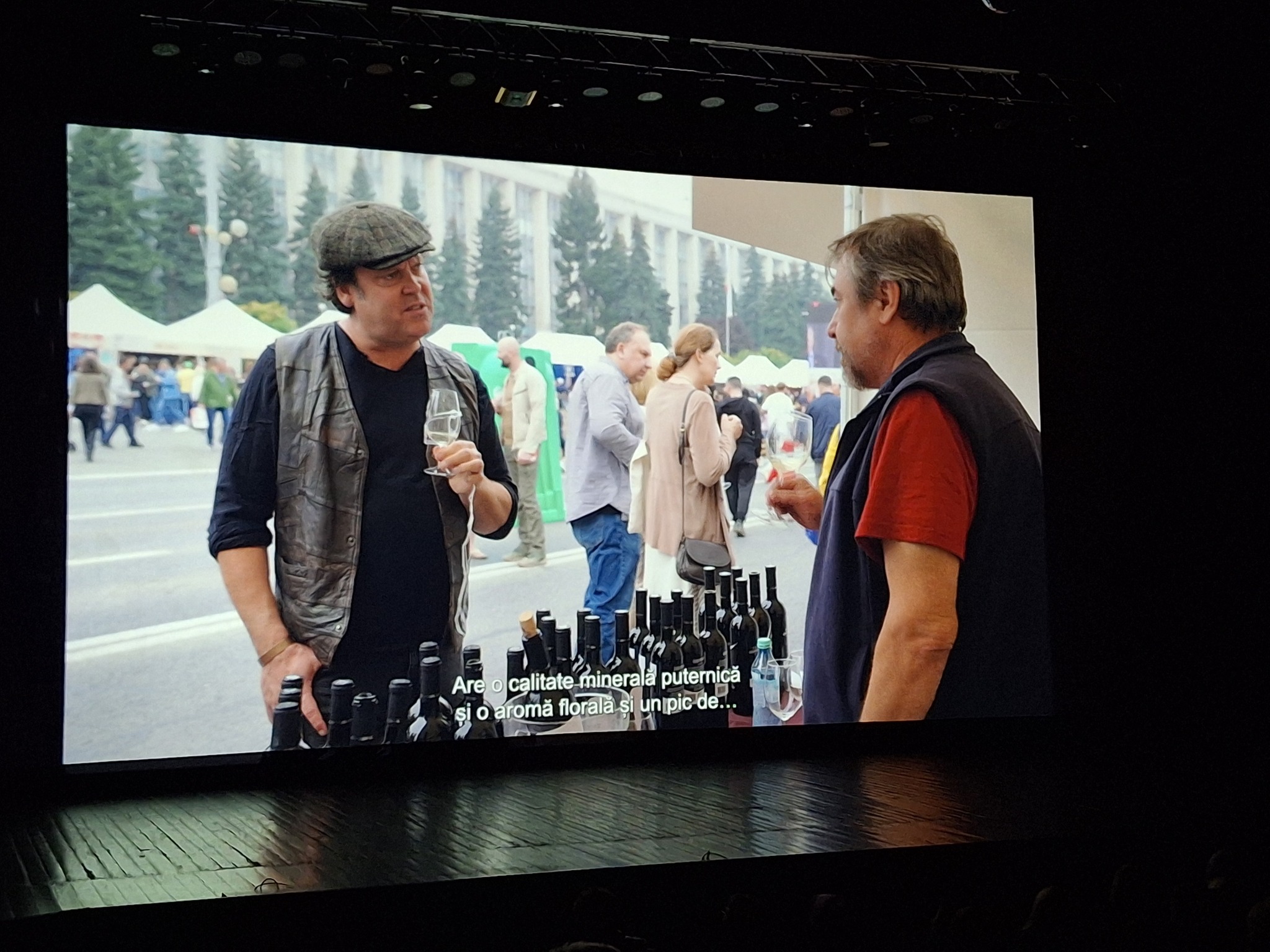
And where did he go to drink? To the central square of Chișinău, where Wine Day was taking place at that time. The square was practically empty (which organizer thought of taking the guest to an empty square to show a festival?!)... but there was something to drink. There is generally somewhere to drink in Moldova. After traveling to several large wineries and many vineyards, and seeing the unimpressive Wine Day in the capital, Charlie said that in the Soviet era, winemaking in Moldova was large-scale production, but now it has become boutique. That is, micro.
A very valuable observation, by the way, from a foreigner regarding our winemakers and state managers, who believe that winemaking is still that very locomotive of our country's economic development that it once was in its childhood.
The documentary film was given a bit of live color by a fashion show, demonstrating at least some dynamics. And the words of Anatol Botnaru, the owner of a guesthouse in Butuceni, who said that Moldovans today do not quite understand themselves, and in order to rise, we need to know who we all - Moldovans as a people - are now and in the future. I completely agree with him here.
By the way, I noticed a word order switch. Charlie, seemingly talking about tastes, said "Moldovan" and "Romanian," while in some Moldovan village and tasting something delicious. Those who wrote the subtitles for the film changed the word order, pushing Moldovans in Moldova to second place after Romanians. I consider such substitutions of meanings and words to be intentional uncultured behavior by the performers and a lack of pride in their people and country.
After watching the 1.5-hour image film (three such episodes were made) and walking home through the quiet and frosty evening city, a recent exhibition from the Republic of Moldova at the World Expo EXPO-2025 in Osaka (Japan) came to my mind as a continuation of what I saw, where our state structures, for the theme "Designing Future Society for Our Lives," presented a brick, a hat sewn from tanned leather, the folk instrument nai, and plastic earrings.
Both that exhibition and this film are interconnected works of the same level. Low and regressive.
After such systematic negative reputational actions, it becomes much clearer why our country scares away investors and generally people well-disposed towards the Republic of Moldova - it is consciously presented to the world as backward, rural in mentality and lifestyle, without uniqueness, care, prospects, or even dreams of development.
Are we really like that?..
Reflect, think about this.
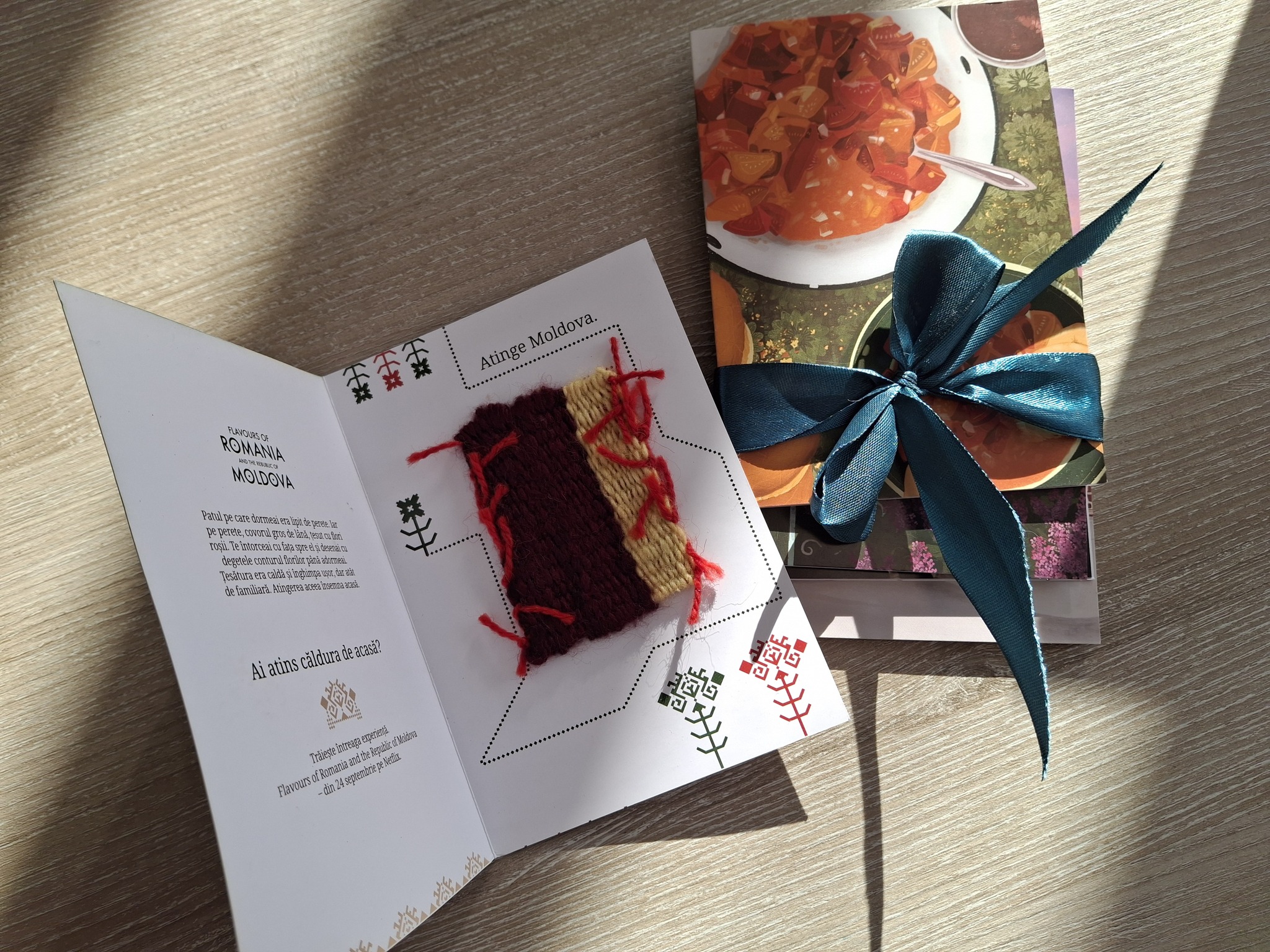
p.s. I will separately note the promotional materials that were given to viewers before watching the film. They turned out to be of high quality, thanks for that! But only a few saw them, while the film and the exhibition - tens and hundreds of thousands. That is, the effect of them, good as they are, is almost zero.
Think about this too…
Respectfully,
Elena Radu,
Head of the "Alpha" Institute of Strategic Branding (abbreviated: INBRASA).
Photo Gallery